Home / Peer Reviewed Scholarship (page 11)

Peer Reviewed Scholarship

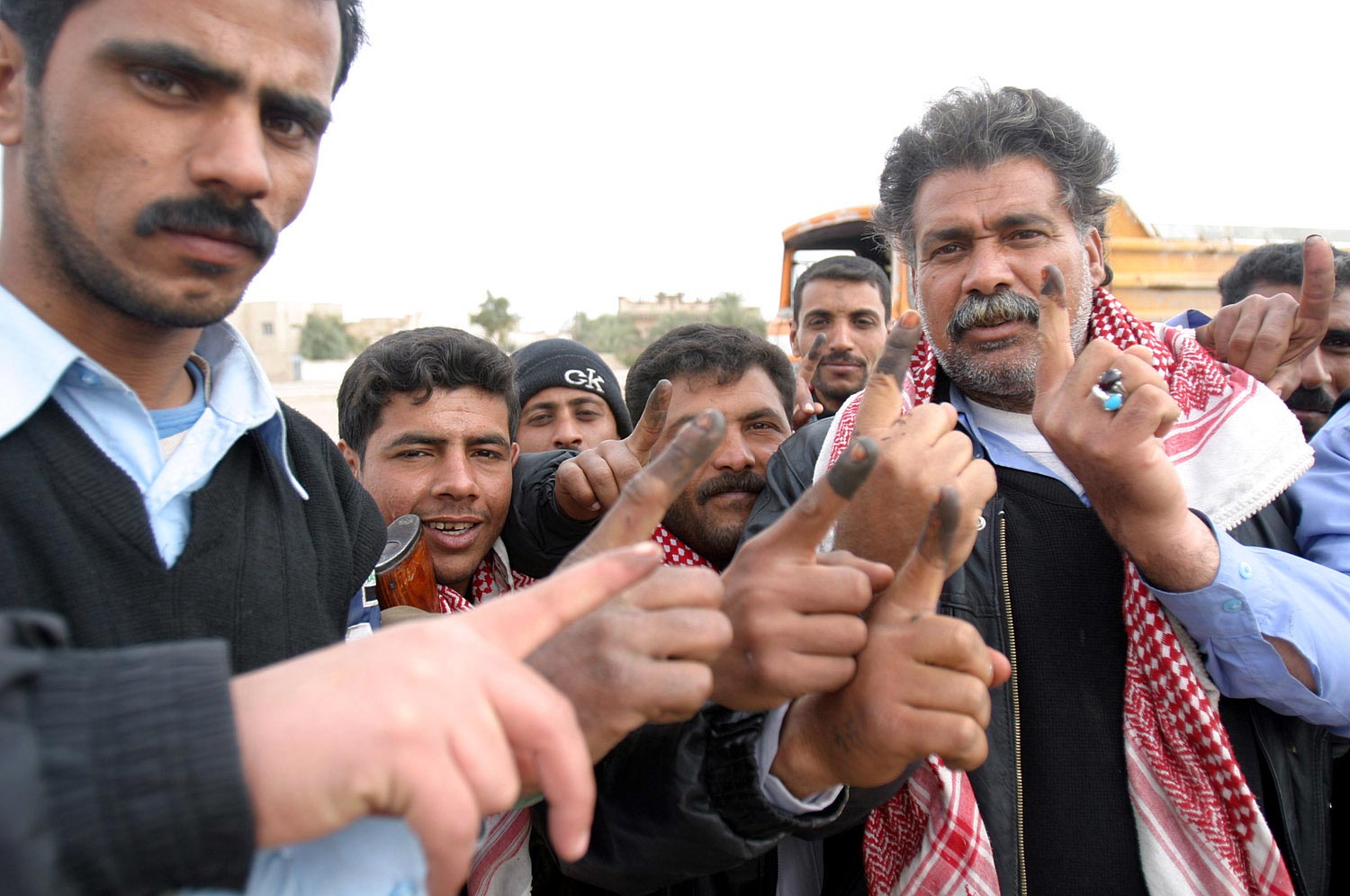
Mediated Policy Effects of Foreign Governments on Iraqi Independent Media During Elections

Issue 24, summer/fall 2017 https://doi.org/10.70090/MAA17IIE Abstract I use the term mediated policy to refer to messages about Iraq sent by international news media outlets of foreign governments during the Iraqi parliamentary elections of 2010, and I hypothesize that US Mediated Policy, Iranian Mediated Policy, and Saudi Mediated Policy are three latent constructs interacting …

Read More »

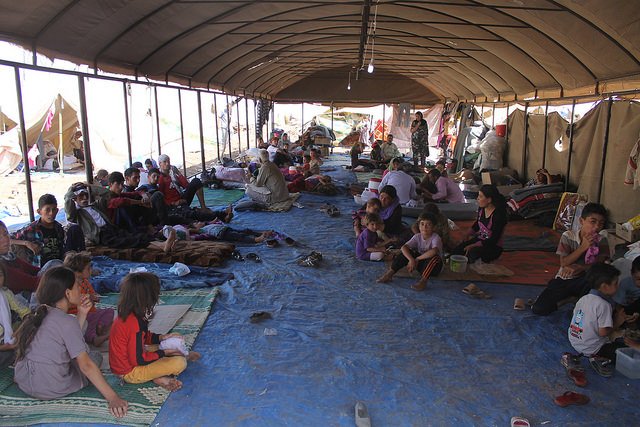
Middle Eastern Minorities in Global Media and the Politics of National Belonging

Issue 24, summer/fall 2017 https://doi.org/10.70090/EM17TPNB Abstract Since the Arab uprisings began in 2010, some communities have experienced increased levels of violence or insecurity on the basis of their ethnic, religious, or linguistic identity. This article examines how such communities have mobilized and developed their media strategies in order to protect themselves …

Read More »

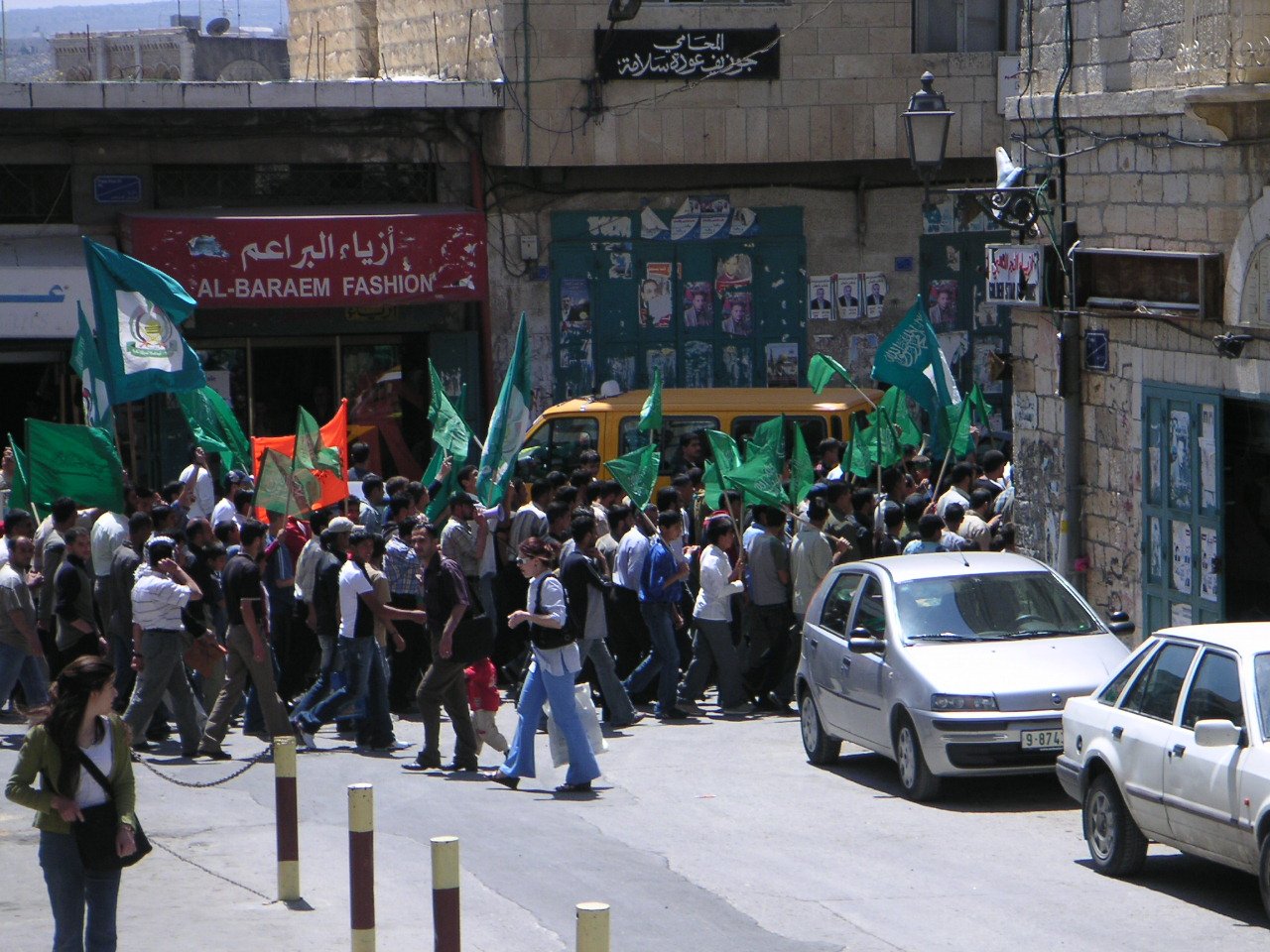
The Politics of Representation on Social Media: The Case of Hamas during the 2014 Israel–Gaza Conflict

Issue 24, summer/fall 2017 https://doi.org/10.70090/JJZ17PRS Abstract Alongside the military confrontation that took place in the Hamas-ruled Gaza Strip in July and August 2014, a battle in the media sector was also underway. This study focuses on the agenda of Hamas during different stages of the psychological war between the two …

Read More »

The Birth and Death of 25TV: Innovation in Post-Revolution Egyptian TV News Formats

Issue 23, winter/spring 2017 https://doi.org/10.70090/DI17BD25 Abstract This case study highlights an experiment that aimed to disrupt traditional television news production and presentation models in post-revolution Egypt. It is a snapshot of a brief moment in Egyptian television history when an attempt was made at innovating news production and content, but …

Read More »

ISIS’s Euro-American Fighters: Western Failures and the Narratives of Denial

This article centers on the influx of Western fighters joining ISIS and locates its root causes in systemic and structural forms of alienation, discrimination, and Islamophobia. In Western discourse, understanding this phenomenon is characterized by a sense of denial that limits the interpretive paradigms to one of two approaches: either a racial discourse that confines the debate to antagonistic minoritized citizens with ambiguous loyalties and an inherent vulnerability for radicalism, or the powerful “glamour” of ISIS’s propagandist spectacles that western media cannot dispel.

Read More »

Threat of the Downtrodden: The Framing of Arab Refugees on CNN

After September 11, 2001 Arabs and Muslims became the topic of interest for the global media, drawing attention from news outlets worldwide. Recently, the rise of the Islamic State in Iraq and Syria (ISIS) along with civil wars in the Arab region have forced hundreds of thousands of Arab citizens, particularly from Syria and Iraq, to flee their homelands. The resulting refugee crisis drew substantial attention and debate. Therefore, studying the framing of Arab refugees and asylum seekers in the global media is of notable significance, especially in connection to ISIS, the war on terrorism, and the upheaval in the Middle East.

Read More »

Social Media in Syria’s Uprising and Post-Revolution Libya: An Analysis of Activists’ and Blogger’s Online Engagement

Masudul Biswas and Carrie Sipes perform a comparative content analysis of Twitter and Facebook posts from a sample of Syrian and Libyan activist groups. By considering online content in the context of post-revolution Libya and the continuing upheaval in Syria, the authors shed new light on online activist agenda-setting. They find that while social media is used as a tool to maintain and expand momentum during revolution, in a post-revolution climate the same media serves as a venue for idea-sharing and political discourse.

Read More »